
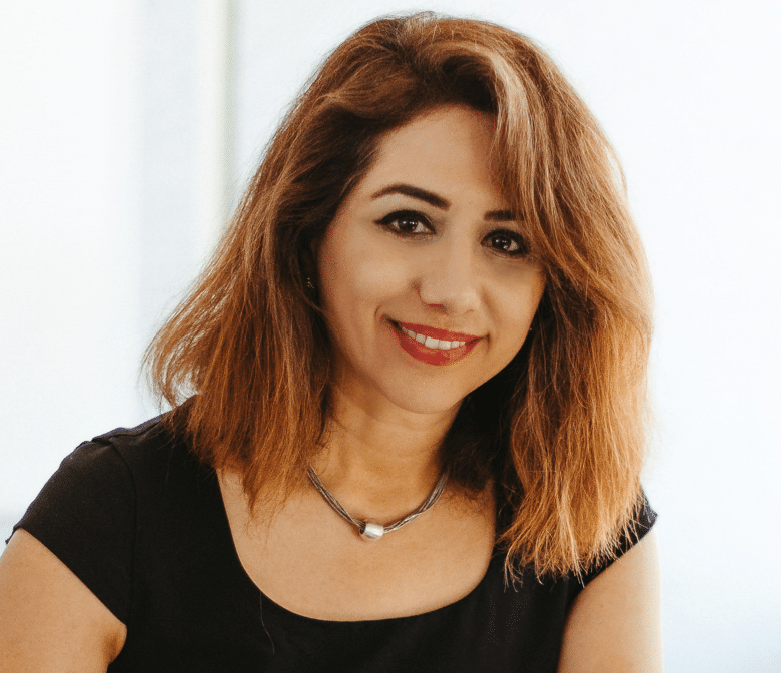
I lead Aura Planning, a woman-owned small business in Sacramento that helps underserved communities plan, secure funding for, and build equity-focused clean mobility projects. Beyond securing funding, we build capacity within our nonprofit partners so they can not only launch clean mobility programs but also operate and sustain them for the long run.
My path to clean mobility began when I saw how much transportation access shaped my own community and who had a fair shot at opportunity. I came to understand that mobility is as much about social mobility as physical movement. When people can’t reliably reach jobs, schools, healthcare, or training, they lose more than a trip; they lose a path forward.
That idea led us to develop TECHubs (Transportation Equity Community Hubs). They combine clean transportation, clean energy, and workforce development at trusted community sites. I also serve on the Climate and Health Equity Advisory Group (CHEAG) at the California Department of Public Health. There I bring a transportation lens to conversations about climate resilience and health.
Our second TECHub is the Louise Perez Mobility Hub in South Sacramento, which transforms the Louise Perez Resource Center into a clean energy and mobility anchor for the neighborhood. With support from Sacramento Metropolitan Air Quality Management District (SMAQMD) and Sacramento Municipal Utility District (SMUD), the hub pairs solar power and battery storage with EV charging, rideshare, and e-bike services. Residents gain access to clean, affordable transportation, and the center gains resilience during power outages and extreme heat. All building and utility permits are secured, and construction is expected to be complete in March 2027.
We also developed PlanShareGo, a rideshare app that powers the Fulton-El Camino Park and Recreation District’s Slough Time! program. Using just two vans, the program brings 31 Afghan girls from their homes to field trips across the region. PlanShareGo maps the most efficient routes and sends drivers the pickup times and locations, so every seat is put to good use.
Across all of our work, the goal is the same: projects that start with what communities ask for, are funded well, and are built to last beyond a single grant.
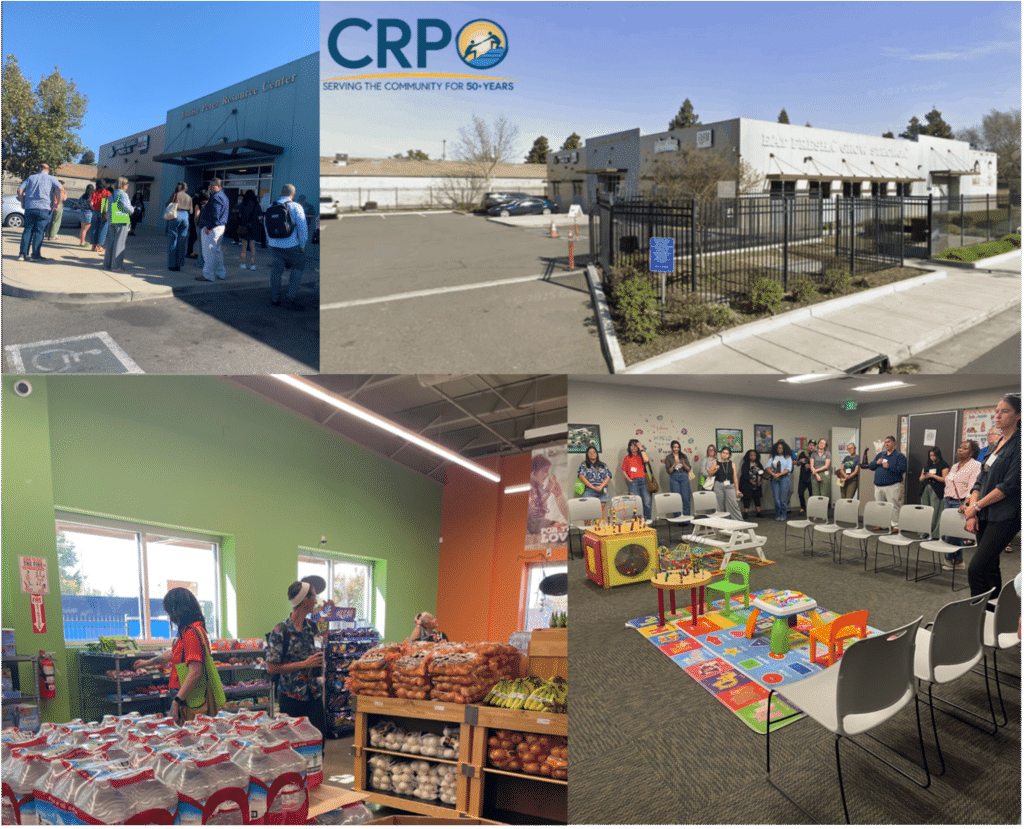
The Louise Perez Resource Center, home to a WIC program, grocery store, weatherization services, and job training programs. The center will add four DC fast chargers, two Level 2 chargers, and solar with battery storage.
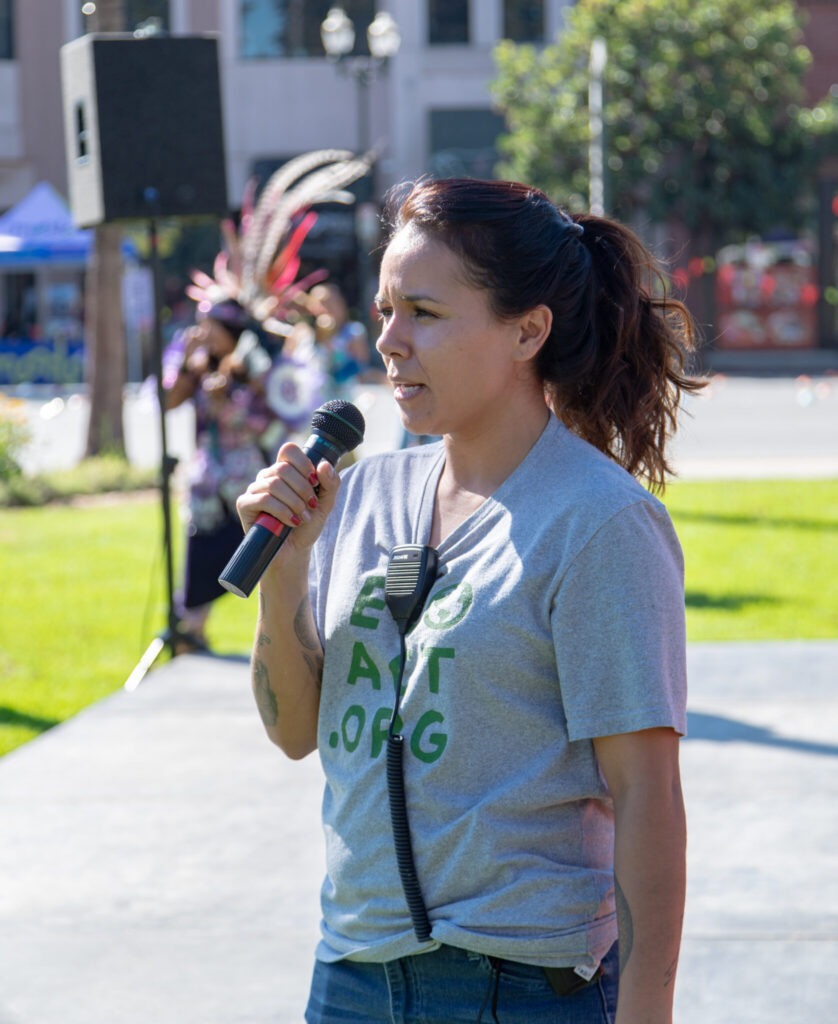
I work as a Program Manager in Active Transportation at Ecology Action, where I focus on planning and delivering projects that make it easier, safer and more accessible for people to walk, bike and use other low-emission modes of travel. My work sits at the intersection of infrastructure, public health and climate action. I collaborate with local agencies, stakeholders, and communities to design transportation systems that prioritize safety, equity, and sustainability. My journey into clean mobility grew out of a broader interest in community development and equitable access. I became increasingly aware of how transportation systems shape opportunities, health outcomes, and environmental impacts. Seeing firsthand how car-dependent infrastructure can limit mobility particularly in historically under-resourced and under invested communities motivated me to shift toward active transportation and clean mobility solutions. Over time, I’ve developed a passion for projects that reduce emissions while also improving quality of life. For me, clean mobility is more than just technology, it’s about creating connected, people-centered places.
I am currently working on a range of projects that expand clean mobility options and reduce reliance on single-occupancy vehicles. One key effort includes supporting shared electric vehicle programs like Miocar, which increase access to zero-emission transportation, especially in communities where owning a car may be difficult or costly. This work helps bridge gaps in mobility while introducing cleaner travel options.
I am also involved in the Freedom Corridor project, advancing CARB-funded sidewalk and pedestrian improvements that make walking and biking safer, more comfortable, and more practical for daily trips. Improving walkability is a critical part of clean mobility because it creates realistic alternatives for short trips.
In addition, I support bicycle programming and infrastructure that encourages people to ride for transportation, not just recreation. Through a combination of bike access programs, education, and safer facilities, we are helping people feel more confident choosing active modes of travel. Walking and biking are some of the most accessible and health-promoting options available.
Together, these efforts create a more connected transportation system that supports cleaner, healthier, and more flexible ways for people to get around.
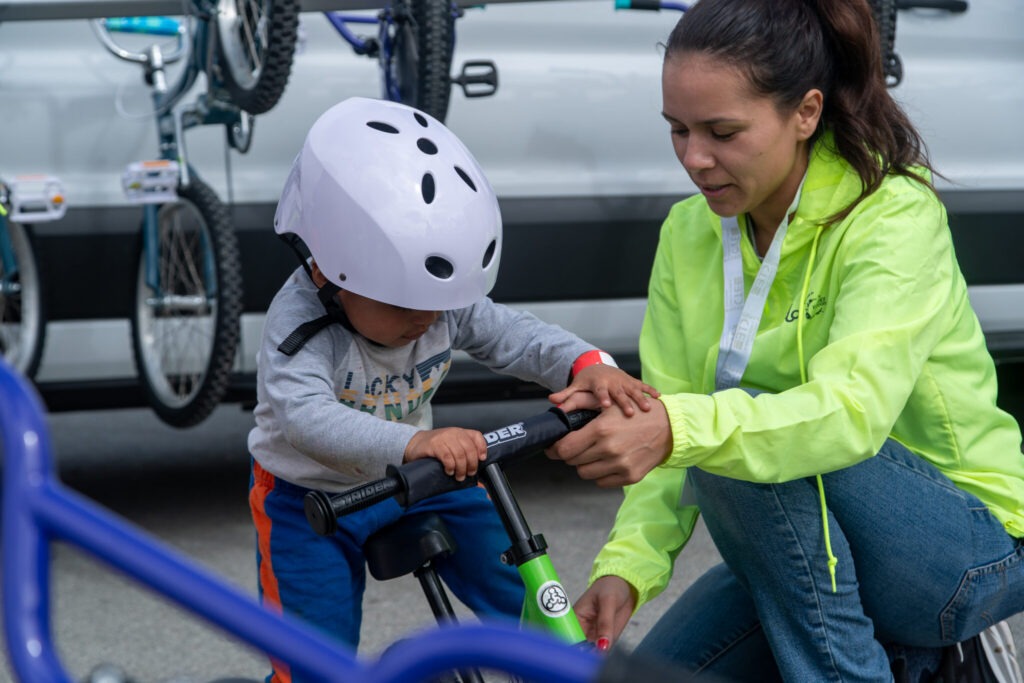
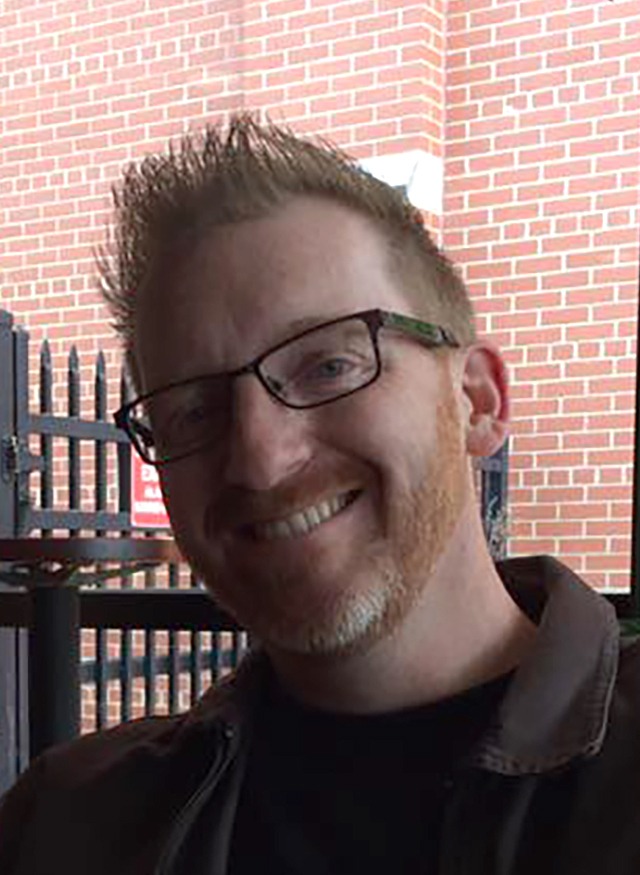
Currently I run the day to day operations for the Biz-Werx mobility programs which includes electric car rentals, electric bike leasing and electric van hailing. I’m also head of marketing and branding and responsible for outreach and attending community events. I began my journey when Dr. Little asked me to help brand the program, and gradually I moved into the director role as I became more involved in outreach and communication.
Currently I help oversee three electric vehicle-centered programs: EV-Werx, which is car focused, Biz-Bikes which focuses on leasing electric bikes, and Van-Werx, which is a van-hailing program utilizing electric vans.
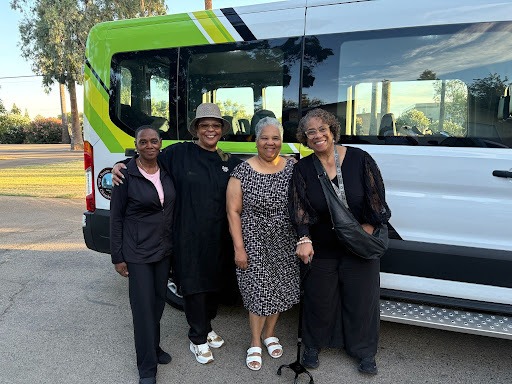
Car orientation, October, 2024.
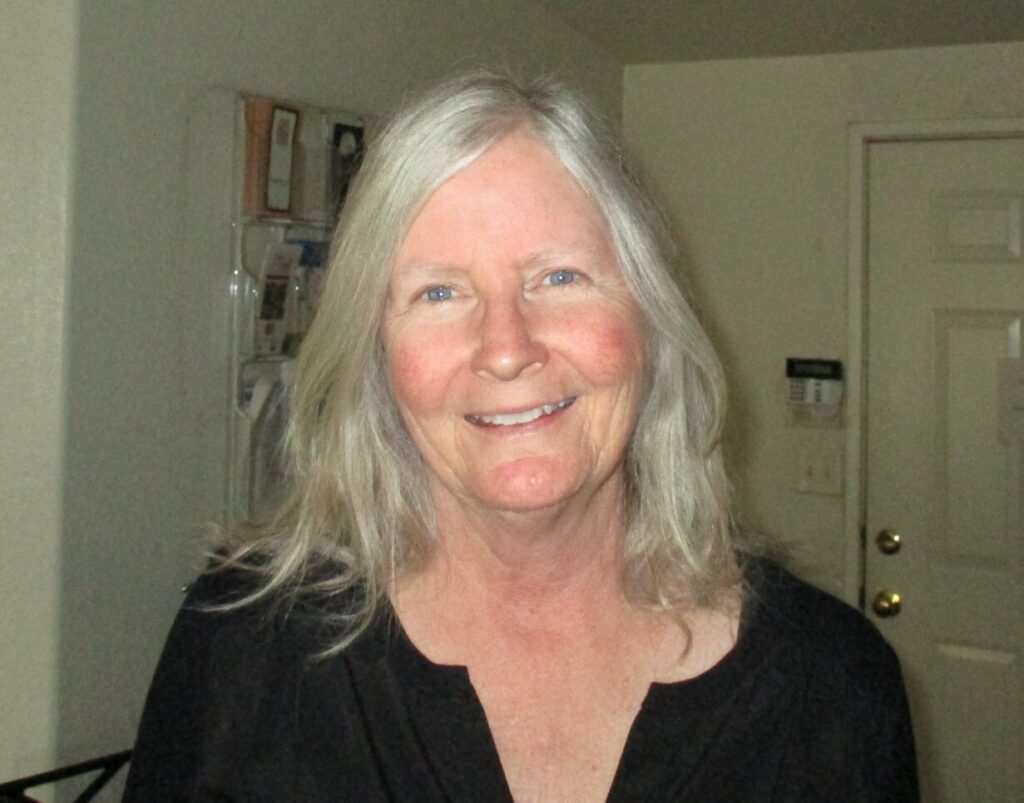
I have been the Tribal Air Program Coordinator for the Big Pine Paiute Tribe of the Owens Valley for nine years. I love my job because of the variety of work I get to do, from monitoring the air quality conditions, analyzing the data to conducting education outreach through various venues and media forms. I love working with our own Tribal members but also Tribes throughout the country who monitor air quality or are involved in environmental management of some kind. I consider myself fortunate and always learning from Indigenous perspectives and traditional knowledge as I believe these learning from the land practices result in true ecosystem management. Through many years of learning the needs and community benefits of certain improvement projects, Clean Mobility became a natural path. The Tribe wanted to prevent any degradation of the current “good” air quality while also needing some better community services, transportation being one of them.
The Tribe is currently implementing a Clean Mobility Options project. After completing a Clean Mobility Options Needs Assessment in 2021 one of the top priorities Tribal Members wanted to see was some form of low cost, lower emission public transportation. Through the Clean Mobility Options Project funding the Tribe will be putting into service 2 all-electric and one plug-in hybrid shuttle vehicles to run regular routes between Big Pine and Bishop (15 miles apart) and other towns with more services, shopping availability. The availability of longer range vehicles nowadays will make longer range trips for special events an option. Another part of the project will be to install two level 2 EV chargers and one DC fast charger dedicated to the vehicles, and two designated bus stops that double as cooling stations. Big Pine is located in a very rural area of eastern California so services are limited including what the local public transit system can accommodate. Installing designated bus stops where there were none is meeting another need and established a new partnership with the Eastern Sierra Transit Authority on the project. Another partner on the project is the Bishop Paiute Tribe where we will coordinate shuttle service needs between the two communities. There have been many opportunities for education outreach. Explaining why we are doing the Clean Mobility Project is a great avenue to promote lowering greenhouse gas emissions and how the Tribe is putting new technology, climate change actions into practice! We are an example for the greater community of Big Pine to follow. Inyo County is playing close attention to what the Tribe is doing.
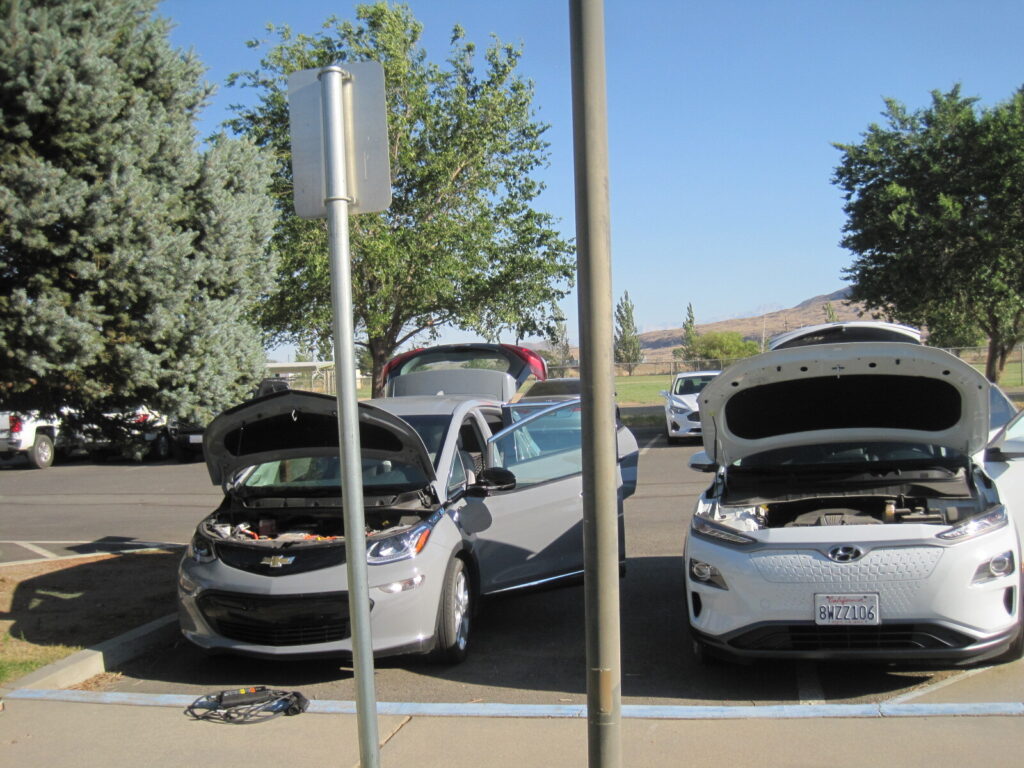
EV cars showcased at a workshop.
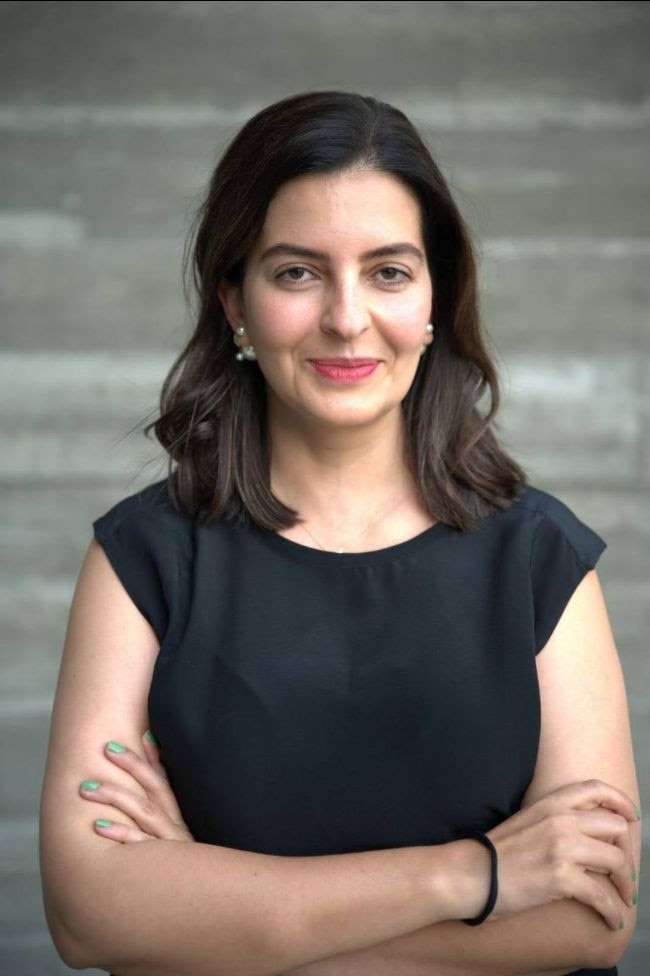
I work on innovative clean mobility projects at the Los Angeles Department of Transportation. In 2021, we received a $13.8 M STEP grant from CARB to launch the Universal Basic Mobility Pilot program in South LA. As a result of this program and other fundings, we implemented various clean mobility projects in disadvantaged neighborhoods of South LA to provide access to mobility and increase transportation security while reducing greenhouse gas emissions.
As a Chief Sustainability Officer for the department, I work closely with the Mayor’s Office on developing Climate goals for the department by setting action items to reduce vehicle miles traveled and electrifying our fleet.
I started my career as an Environmental Engineer implementing site investigations and remediation of contaminated sites and became a Supervisor of the Site Remediation team at the Port of Los Angeles. I joined LADOT in 2021 to lead the Universal Basic Mobility (UBM) pilot program and I learned very quickly how transportation projects have an impact on people’s mobility and reducing GHGs, especially since the primary cause of air pollution in Southern California is mobile sources. By implementing clean mobility projects, we seek to correct historic inequities and improve quality of life for historically disinvested communities.
Our UBM program delivers a suite of mobility options, including:
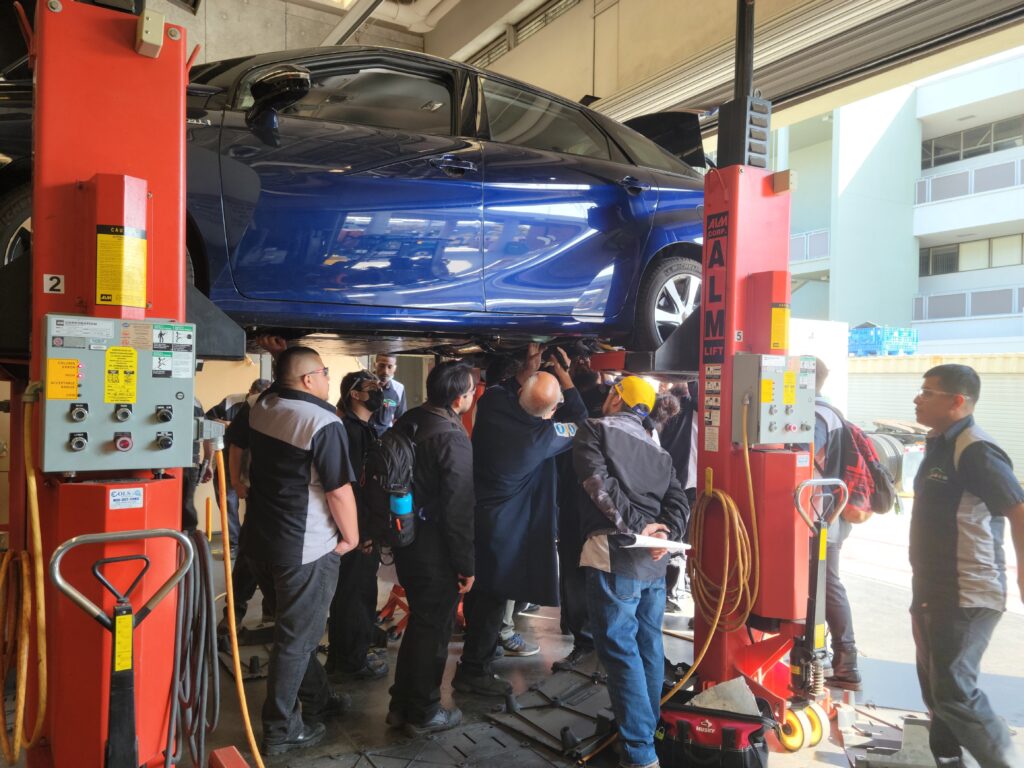
UBM workforce development training.
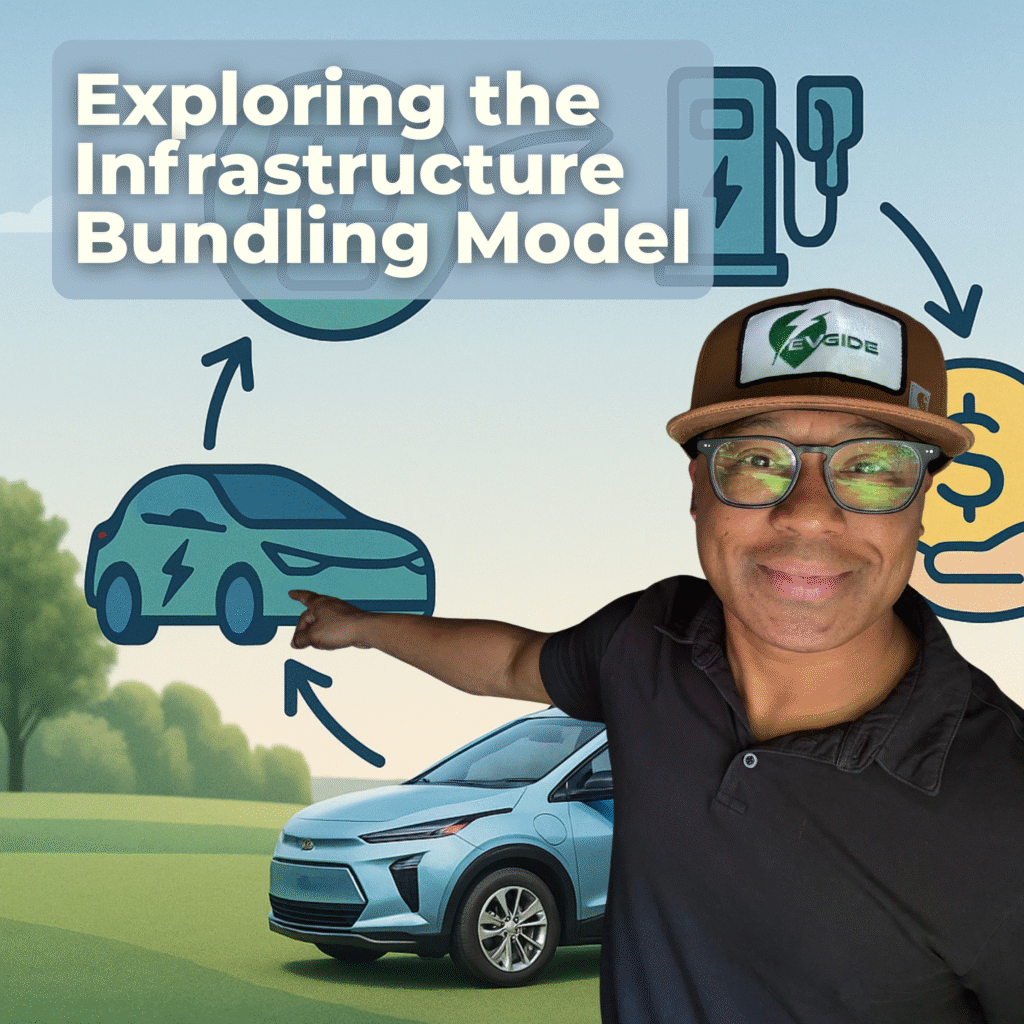
I grew up riding public transit across Los Angeles, where I saw how transportation access, or the lack of it, shapes opportunity. That experience guided my work as a community and political organizer and, later, as a leader of community transportation needs assessments across California. Those projects taught me how to translate community priorities into clean mobility systems that actually get built and deliver measurable outcomes. At EVGIDE, I focus on deploying electric carshare programs paired with renewable energy, battery storage, and microgrids. Every project is backed by hard metrics, greenhouse gas reductions, vehicle miles avoided, and public health gains, so we can track real impacts like fewer asthma triggers, better access to jobs and schools, and long-term cost savings for residents.
I lead EVGIDE’s work with the Western Riverside Council of Governments under CARB’s Clean Mobility Options program, deploying 15 EVs connected to solar, battery storage, and EV charging at sites in Corona, Moreno Valley, and Hemet. This “infrastructure bundling” model funds operations for 20+ years without cost to host sites, while cutting emissions by an estimated 173 metric tons annually, the equivalent of removing 38 gas cars from the road, and saving 20,000 gallons of gasoline each year. I’ve also designed the Riverside Community College District’s carshare program, ensuring students and staff have clean, affordable, and reliable transportation. Across all projects, the aim is the same: keep mobility accessible, improve health outcomes, and make these systems financially sustainable well beyond the life of any single grant.
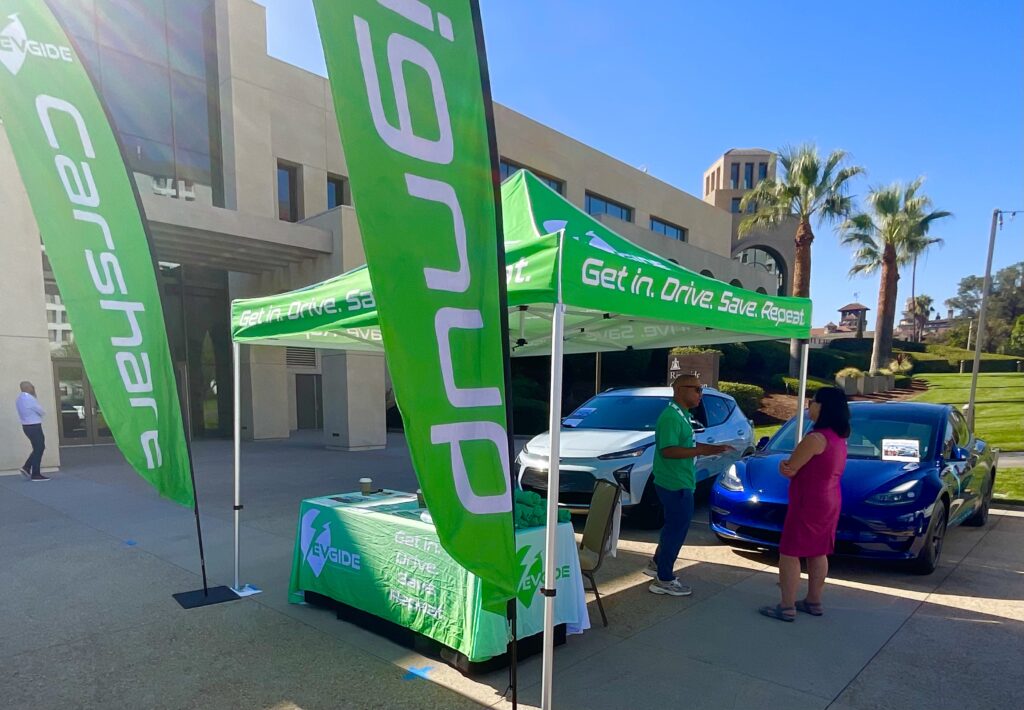
EVGIDE’s EVs on display.
Clean mobility is about much more than transportation—it’s about creating safer, healthier, and more equitable communities. Over the past decade, I’ve had the privilege of working alongside community residents and grassroots organizations across the Northern San Joaquin Valley to close long-standing gaps in infrastructure and access. My current work with Valley Improvement Projects (VIP) reflects this commitment and fuels my passion for advancing community-led solutions.
In my previous role at the Tuolumne River Trust, I collaborated with California Walks, Safe Routes Partnership, UC Berkeley’s SafeTREC, local residents, Orville Wright Elementary, Modesto City Schools, and city and county officials to support Safe Routes to School and Safe Routes to Parks initiatives. We conducted walk audits at the school and its nearby parks in Modesto’s Airport Neighborhood, uncovering key safety concerns. As a result, the community successfully advocated for new stop signs, speed humps, sidewalks, safer walking and biking routes, and upgrades to Oregon Park and the Tuolumne River Regional Park—making daily travel safer and more accessible.
Now at VIP, working with EVGIDE and a diverse steering committee that includes residents, city and county staff, StanCOG, and Stanislaus Regional Transit, we have completed a Community Transportation Needs Assessment (CTNA). The CTNA gathered community input on transit needs, perceptions, and clean mobility ideas. With that insight, we’re now continuing dialogue between residents and agencies to explore clean mobility strategies across underserved parts of Stanislaus County.
Highlighted options include climate resiliency centers, microgrids, electric vehicle (EV) car share programs, microtransit services, and EV charging infrastructure at community hubs, parks, libraries, and affordable housing. These conversations underscore an urgent need for infrastructure improvements—especially in unincorporated towns and neighborhoods that lack basic services like sidewalks, lighting, transit access, parks, and public safety.
Without those supports, residents face daily challenges accessing healthy food, childcare, healthcare, banking, and safe public spaces. Streets remain unsafe for walking or biking, and transit options are often non-existent. Expanding clean mobility—through reliable transit, safe streets, and EV infrastructure—can be transformative. These alternatives reduce pollution, broaden access to essential services, and help build healthier, more resilient communities, particularly in areas long burdened by pollution and disinvestment.
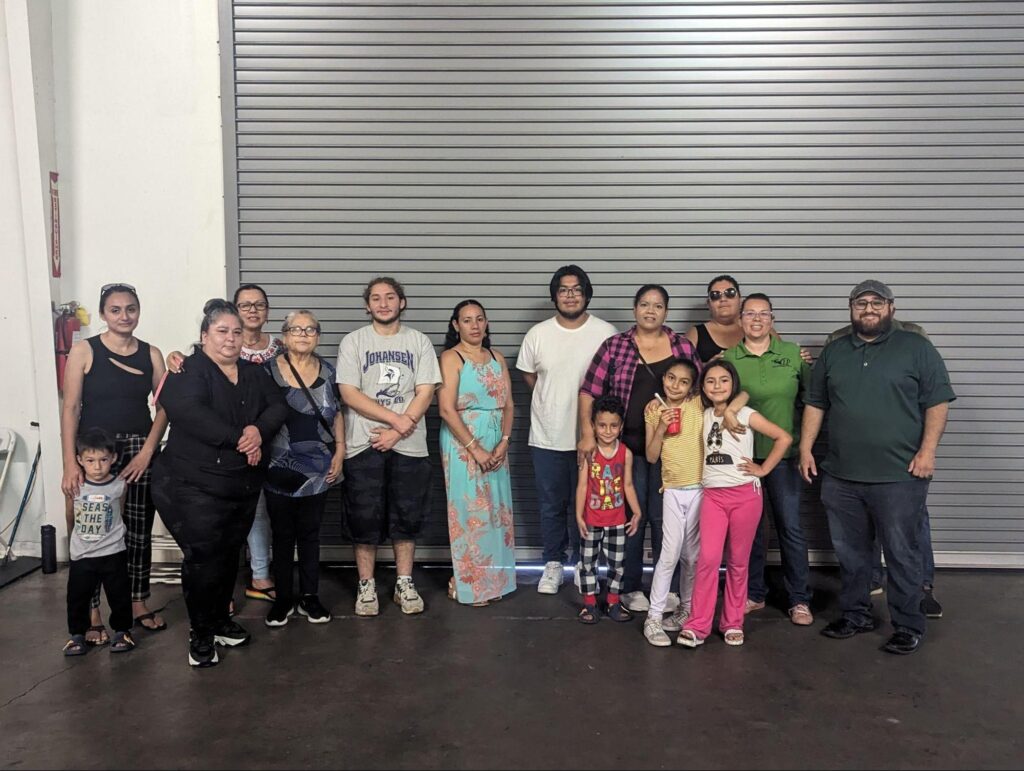
Clean Transportation Needs Assessment Focus Group, Airport Neighborhood, 2024.